.png)

Blog
.jpg)
Remote teams still need some face-to-face time.
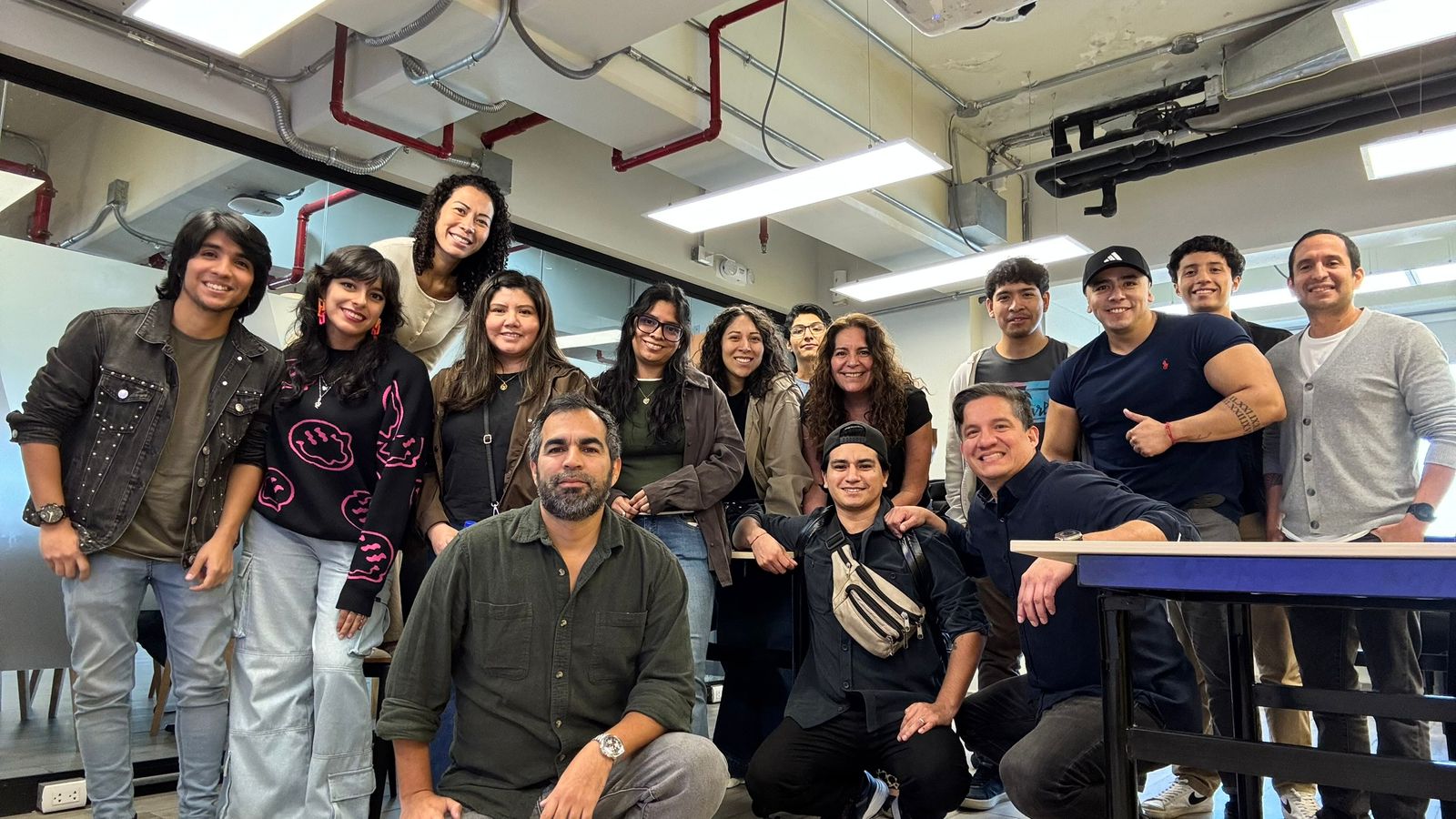
Working remotely often means not truly knowing your coworkers. However, at Positive Agency, we believe that human interaction is always necessary. Seeing each other through a webcam or on a weekly call—where only a few people actually participate—just isn't the same as sharing ideas face-to-face. That is why, every so often, we clear our schedules for in-person meetings, like our Semiannual Gathering, which took place a few days ago in Lima, Peru.
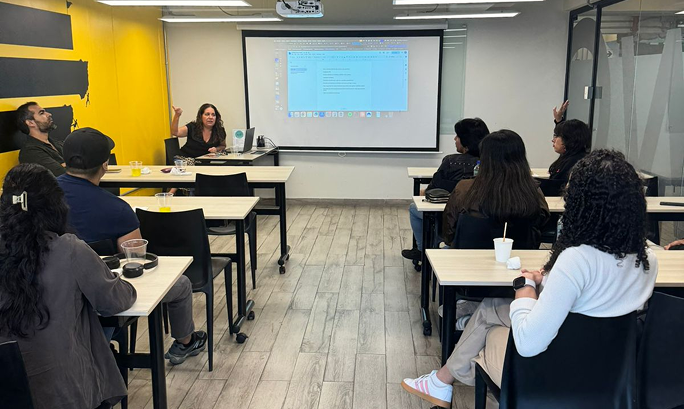
In addition to getting to know each other better, this meeting gave us the opportunity to evaluate lessons learned and areas of improvement for the brands we manage. As a result, ideas sparked from across the entire team to keep boosting our daily operations.
We analyzed the performance of the Made in Latam podcast to uncover which formats, hooks, and guests drive the highest audience engagement. This analysis helped us spot opportunities to elevate our content and understand the exact dynamics that resonate with our community. If you haven't checked out our episodes yet, you can do so here.
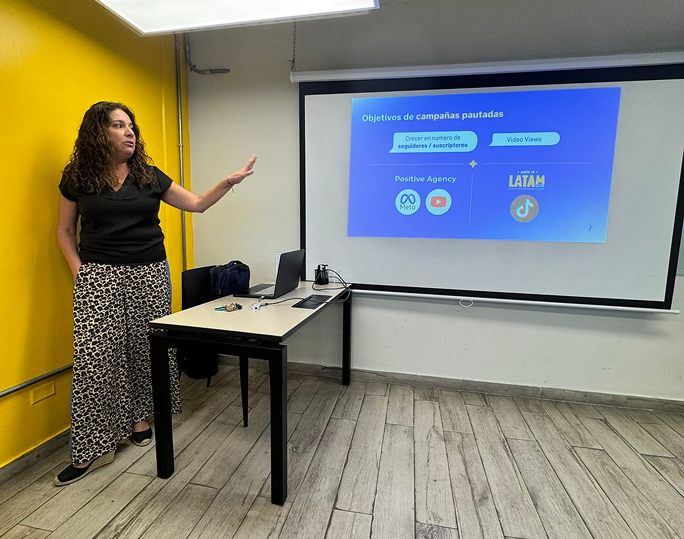
We had the chance to analyze the content produced by our regional creator team. Looking at pieces developed for our clients in Argentina, Colombia, Mexico, and Peru, we found that reels with an organic feel and a compelling three-second hook are what audiences value most. This insight gives us a solid foundation to keep evolving the way we create content.
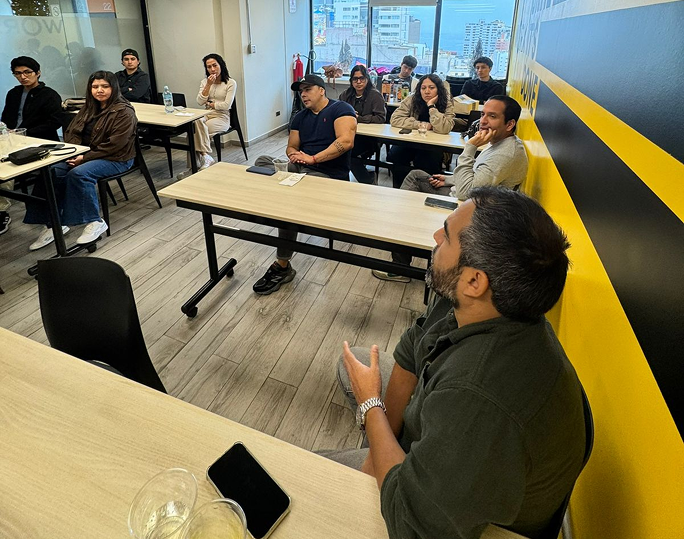
Another topic we brought to the table was how Artificial Intelligence has become a key ally in optimizing our creative processes. We showcased projects developed by our team and generated 100% with AI for the app market, proving that it is now possible to turn an idea into a visual concept in a fraction of the time that used to take weeks.
Beyond streamlining our workflow, these tools allow us to explore new creative avenues, iterate faster, and deliver better solutions to our partners.
And to make sure great ideas don't fade away, we agreed to set up a team responsible for trend hunting and spotting valuable news. This ensures we produce more strategic and precise content, where valuable information never gets lost and is always told through a compelling story.
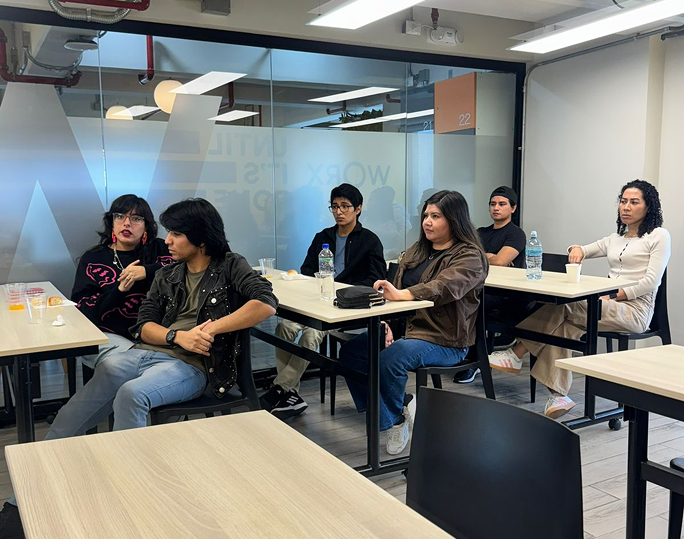
It was four hours of intense brainstorming, lots of laughs, and a notebook packed with actionable plans. We're heading back to remote work with our batteries fully recharged, ready to keep building with strategy, creativity, innovation, and, of course, plenty of human synergy.

Is It Worth Keeping a Copywriting + Design Team? | MADE IN LATAM EP11
In this episode, Omar Polo, LATAM Creative Director, shares his career journey from Peru to Panama and the insights gained from working across diverse markets. Throughout the conversation, he reflects on the challenges of advertising for different audiences, the vital importance of understanding local cultural nuances, and the lessons learned from leading teams and developing campaigns abroad.
During the interview, Omar looks back on how he ended up in Panama almost by chance and how that experience allowed him to test his creativity in completely new contexts. Drawing from cases like Banco Atlántida in Honduras, he discusses the challenges of crafting campaigns for audiences facing different realities.
Another central theme is the evolution of the advertising industry and the impact of artificial intelligence on creative processes. Omar analyzes how tools like ChatGPT and Gemini are changing the agency workflow, even calling into question the future of the traditional creative duo. However, he maintains that judgment, curiosity, and the ability to connect ideas remain exclusively human skills that are essential for developing meaningful work.
The conversation also touches on the cultural differences he encountered while working in different countries. From workplace dynamics to client and team expectations, Omar reflects on how he had to adapt his leadership style after discovering ways of working that were vastly different from what he knew in Peru—an experience that ultimately broadened his perspective on creativity and people management.
Finally, the episode wraps up with a fun breakdown of Latin American idioms that puts everything he learned while living and working in the region to the test. Navigating expressions from Colombia, Puerto Rico, the Dominican Republic, and Uruguay, it becomes clear that sharing a language doesn't always mean speaking the same tongue, and that grasping these cultural nuances is a crucial part of genuinely connecting with people.
Watch the full episode on YouTube here 👇🏻:

The Challenges of Fintech in LATAM | MADE IN LATAM EP10
In this episode, Joel Zambrano, CEO of Vita Wallet, shares what it takes to build a regional fintech across LATAM and scale operations in markets with very different realities.
Joel walks us through the evolution of Vita Wallet, from its early days in 2019 exploring Bitcoin use cases and in-person payments, to its shift into a platform focused on cross-border payments for businesses. This journey has been marked by constant experimentation and the need to continuously adapt the business model as the market evolved.
The conversation goes deeper into the communication challenges in the region. Joel explains that one of the most common mistakes foreign companies make is assuming that translating messages into Spanish is enough. However, each country has its own slang, expressions, and ways of interpreting ideas, which forces brands to rethink how they communicate depending on the local context.
Another key point is the view of LATAM as a complex but highly attractive region for doing business. He highlights how multiple currencies, financial systems, and economic dynamics create significant operational challenges on a daily basis, especially in areas like treasury, collections, and payment distribution.
Throughout the episode, Joel also reflects on the importance of an entrepreneurial mindset in fast-changing environments. Building in the region requires flexibility, adaptability, and a willingness to accept that plans may not always work, which forces constant strategic adjustments based on market realities.
The episode closes with a dynamic on Latin American slang and expressions, showing how the same phrase can mean completely different things depending on the country — sometimes even confusing native Spanish speakers themselves.
Watch the full episode on YouTube here 👇🏻:

How to Build a Brand That Connects and Sells | MADE IN LATAM EP9
In this episode, Guillermo Rivas, co-founder of Magia.pe, shares his journey building and leading one of Lima’s best-known premium flower and gifting e-commerce brands. He explains how digital marketing played a key role in turning a small startup into a brand focused on helping people express emotions through meaningful gifts and experiences.
One of the most honest moments in the conversation comes when Guillermo talks about the reality of entrepreneurship. He explains that an entrepreneur’s most valuable asset is not financial capital, but the ability to withstand failure. As an example, he recalls a Valentine’s Day campaign where sales completely exceeded the company’s logistical capacity, putting the future of the business at risk. That experience ultimately became a turning point for the company.
Another key topic in the conversation is how deeply understanding the consumer can make all the difference when building a brand. Guillermo explains that one of the driving forces behind Magia’s growth was identifying how Peruvians express their emotions and turning that insight into a communication strategy that truly connected with people.
The interview also explores Magia’s expansion into the Argentine market. Guillermo reflects on the cultural differences they discovered while trying to connect with this new audience, highlighting that while most purchases in Peru are driven by romance, in Argentina friendship plays a much bigger role and customers tend to spend more per order.
He also shares how adapting the business to each market, combined with smart strategies to reduce digital advertising tax costs, became key factors in the company’s continued growth.
The conversation closes with a lighthearted exchange about local slang, where Guillermo highlights the word “templado” — a popular Peruvian expression often used by customers when talking about being deeply in love or wanting to surprise someone special.
Watch the full episode on YouTube here 👇🏻:
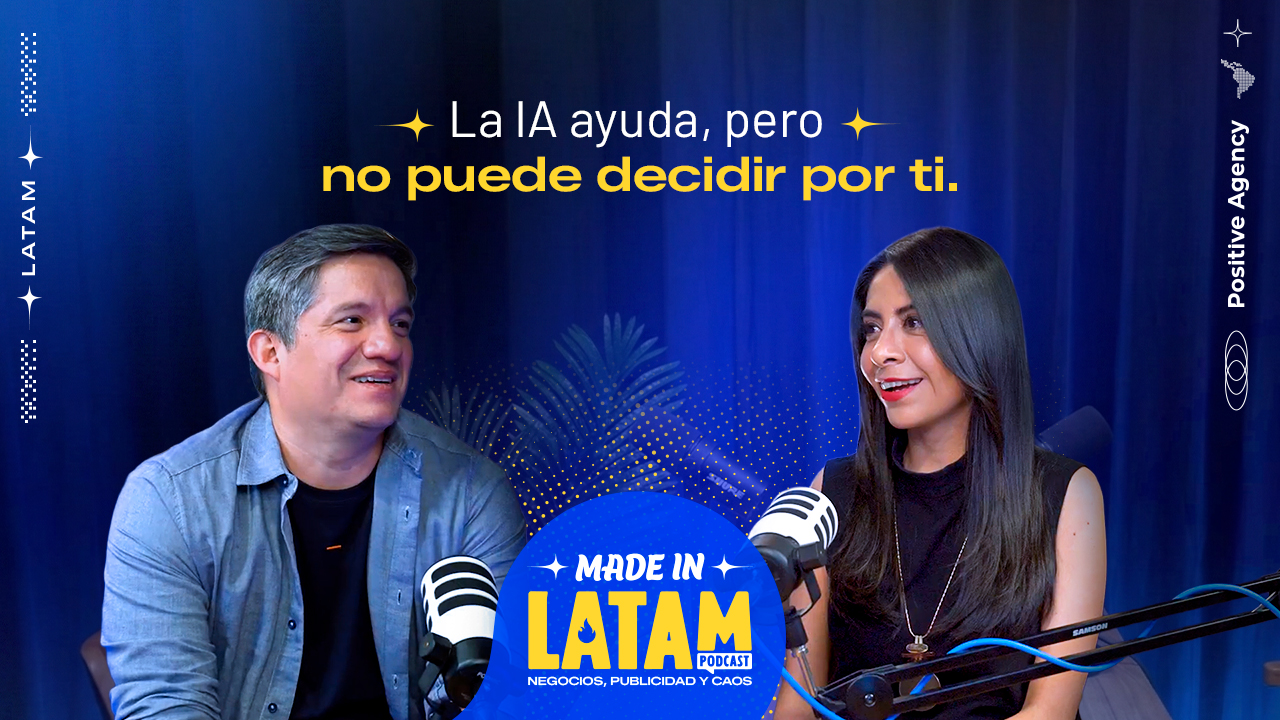
How Technology Is Changing Human Resources — MADE IN LATAM EP8. with Yazmín Vera from Venturessoft Colombia
In this episode, Yasmín Vera, Regional Marketing Manager and Marketing & PR Manager at Venturessoft Colombia, shares her journey from journalism to the world of tech marketing, and how she now leads strategy at an HRTech company.
Throughout the conversation, she explains how technology is transforming talent management—from recruitment to payroll and time management—challenging the idea that human resources is only about hiring.
Yasmín also dives into one of today’s biggest challenges: the use of artificial intelligence in content creation. From her experience, she emphasizes the importance of not blindly trusting these tools, highlighting that critical thinking, research, and validation remain essential to maintaining professional credibility.
She also reflects on the role of technology in recruitment processes, noting that while it can optimize time and filter candidates, the human factor remains irreplaceable when it comes to evaluating talent, culture, and team fit.
Another topic covered is how companies need to adapt to the different markets across LATAM, where cultural and legal factors directly influence the way business is done. Yazmín emphasizes the importance of thoroughly researching each country and “localizing” strategies to truly connect with the local audience.
The conversation wraps up with a fun segment on regional expressions, highlighting that even though we share the same language, understanding how each market actually speaks is key to truly connecting.
Watch the full episode on YouTube here 👇🏻:

The iceberg of YouTube monetization in Latin America
One normal day, we saw a video of a grandmother carrying trucks, fully recreated with AI. At first, it made us laugh a lot, of course, until we started asking ourselves: what is the reward for making these videos and uploading them to YouTube? Fame? Money? Or is it just about feeding your ego with a lot of subscribers?
Today, I want to show you how Latin America has been using AI, and the strange things people are doing to make money from it, with an endless number of videos testing weird methods to avoid copyright systems; videos that make you ask: why would you even upload that?
So, let’s take a quick look at some of the clips we found and the ideas or systems behind this highly desired monetization.
YouTube Skeletons.
You have probably already come across one of these skeleton videos. They are AI-made characters used to represent a story or situation. For example, they can start with something like “What if you were raised by a bear?” and from there, the story keeps going day by day, like in most of this type of content.
What really makes them work is not only how strange the idea is, but the full execution made with AI. The editing shows skeletons in motion, a cartoon-style animation, and an opening strong enough to stop the scroll. That “What if?” hook works because it creates instant curiosity and pushes people to watch the full video.
YouTube video:
Grandmas carrying trucks are trending.
The name sounds weird, but yes, these are really clips of grandmothers carrying trucks. It is completely ridiculous, but they do not get thousands of views, they get millions, and everything is made with AI.
They are usually older women from some strange part of the world, almost always in a green area, but with a low-income setting. We see trucks trying to rush the grandma while she rides her motorcycle very slowly. Then she gets angry, like when your mom was about to hit you with a sandal, suddenly gets Hulk-level strength, lifts the truck because the driver kept honking at her, and throws it into some river or stream. Yes, those are the clips getting viral fast.
YouTube video:
Therians around the world.
I want to include this topic because it has become a kind of mini-series of therian clips doing strange things. It started in Argentina, but it became viral across LATAM.
People recreate these scenes using AI and present them as if they were recordings from security cameras, where we see a therian walking on the street and then a dog bites them. The scene becomes viral because it is a trending topic, it gets laughs from viewers and, most importantly, creates conversation through controversy.
It gets a lot of comments because this kind of content is perfect for people who love to argue. They do not know it is AI, so they assume it really happened. And, like a freshly sharpened knife, they already have their opinions ready to start arguing about what they think is right and what is wrong. Lesson learned: if it is debatable and controversial, it can go viral.
YouTube video:
POV with insects.
Another very strange niche that gets millions of views is insect videos with tiny cameras, clearly made with AI. They show the daily life of a scorpion, for example: we see someone putting a small camera on it, and then the scorpion starts its normal day, visits its nest, goes to see its friends, checks on its eggs, and ends the day either eating or going to sleep.
Yes, we really watched a full video about a day in the life of a scorpion. The surprising part is that the one we saw already has 96 million views.
All you need is a “silly” idea that gets comments like: “100% AI,” “It’s fake,” “is IA,” and many more.
YouTube video:
The black market of AI tools.
By this point, you have probably thought: yes, these are good ideas, but the investment must be high because you need different AI subscriptions — one to create the prompt and write the script or improve the idea, another for the image, one more for the voice-over, another to make the video, and an extra one for a better edit.
But that is not exactly true, because we found the black market of AI tools. One provider sells all these tools together as a package for a very cheap monthly price. Around 10 dollars for unlimited access to different AI tools.
You just need to search on Facebook for “AI packages,” and you will find many options. But not everything is perfect: these accounts are shared, which means anyone who buys them can see your ideas, your videos, and everything you create, so the risk is real.
The final detail before uploading your first video.
We already saw how to make the content, how to avoid copyright, and how the AI black market works. But while going through these YouTube channels, we also found one more important detail.
Most creators upload content in other languages to attract audiences from other countries and, in theory, make more money. On top of that, you also need a VPN to create your YouTube channel in countries that pay better, such as the United States, Mexico, or different parts of Europe. Ad rates there are higher than in LATAM.
We reviewed channels that go viral in just days or weeks and manage to monetize with pieces that get millions of views on YouTube. It is like a Wall Street version of YouTube Latam, where instead of selling shares, you sell AI-made content to attract more investors, or better said, viewers. And if the idea starts losing views, it does not matter that much. You already sold it, monetized it, and now the only thing left is to improve it or move on to the next channel.
The real question is why the internet keeps rewarding anything that can stop the scroll, even when it says absolutely nothing. And in LATAM, this logic is growing fast. We understand that viewers are looking for more instant impact every day, but that does not always mean they are consuming something with real value.
What do you think? Do you believe there is still room for valuable content inside this new universe of AI-made videos?

This Is How the YouTube Algorithm Works — MADE IN LATAM EP2. with Carlos Fernández from YouTube MX
Carlos Fernández moved from journalism to YouTube not because it was trendy, but because he had a sharp understanding of where things were headed. After fifteen years of telling stories across print, radio, and television, he landed on the platform where video had become the new language of audiences. His arrival at Google was almost accidental: a job opening, a failed first attempt, and then a second opportunity that put him in charge of YouTube Mexico and Central America, just as things that once felt like science fiction — like artificial intelligence — were starting to become part of everyday life.
In the conversation, the real problem behind many channels becomes clear: not understanding the game. YouTube rewards real consistency, frequency, and follow-through, and it punishes the “I upload today and disappear for months” approach. It also breaks the myth that a small niche cannot work, because on YouTube there are massive communities built around the most unexpected topics, from marble races to children’s content that repeats endlessly, with Baby Shark as the ultimate symbol of that behavior.
When the focus shifts to brands, Carlos makes it clear: connecting with a logo is harder than connecting with a face. That is why YouTube demands its own language, with thumbnail and title as the entry point, and a strategy with structure: the 3H rule — Hero, Hub, and Help. On top of that, YouTube is a dual universe, with long-form and Shorts operating under different dynamics, and when they connect well, short-form content can lead audiences into long-form and turn viewers into a community.
Watch the full episode on YouTube here 👇🏻:

It’s Time to Build the Latin American Dream — MADE IN LATAM EP1. with Ricardo Van Wielink from VaWi
In this episode, Ricardo Van Wielink, CEO of VaWi, shares his experience of leaving the agency world to start his own business. He did not do it out of romanticism, but out of the need to build his own dream. Instead of promoting independence without direction, VaWi creates an ecosystem where freelancers have autonomy, but also support, processes, and structure. This approach is designed to connect companies with freelance talent while avoiding the roulette of uncertain hiring and the stress of working alone.
Ricardo also talks about common mistakes in the Latin American creative world, such as the lack of clarity inside agencies and the tendency to fall in love with ideas without thinking about the client’s real problems. Mental health appears as a core pillar of the business, because a freelancer with a calm mind and a clear goal can deliver stronger results. And in the B2B space, he highlights something very clear: in Mexico, public relations are not optional. They are personal, ongoing work that opens doors and builds trust.
Finally, Ricardo shares a lesson from his experience with Sky Rider, a company that, when expanding into Mexico, ran into a market it did not truly understand. The failure, he says, came from a lack of research. And if you do not research, you are moving in the dark. This episode is for anyone who wants to build with more clarity, improve professional relationships, or connect with the Latin American market without falling into common mistakes.
Watch the full episode on YouTube here 👇🏻:
.jpeg)
Christmas without snow: Connecting with the Latin Spirit
Every year, brands roll out their Christmas campaigns. But while the Northern Hemisphere celebrates snow, fireplaces and hot drinks, in most of
LATAM, December means summer, music and family gatherings.
The result: many so-called universal creative codes end up feeling out of sync with Latin American reality — and out of context.
So why not tell the stories that really happen here? Long family tables, secret-Santa exchanges, or the big Christmas dinner. When the story starts
there, it feels genuine and unmistakably Latin.
Global campaigns don’t always translate well.
Many brands thrive in their home markets, but when the same idea lands in LATAM, something gets lost.
The ad looks festive, but it doesn’t connect.
What usually goes wrong?
- Winter codes: snow, sweaters and hot chocolate, right in the middle of summer.
- Neutral casts and accents that don’t sound like the people from the region.
- Slow-paced music, when here the celebration is loud, joyful and shared.
- Moments that don’t fit. Christmas is celebrated on the night of the 24th, not the morning of the 25th.
- Imported decorations that cover up local flavors, colors and traditions.
.png)
So, what does Christmas in LATAM really look like?
From the moment December begins, offices, schools and groups of friends play “amigo secreto”, where small gifts are exchanged until the final reveal. In Mexico, “Posadas” kick off with piñatas and ponche, while in Colombia, the “Novena de Aguinaldos” brings together families and neighbors.
Cities light up with decorations and Christmas fairs. There are last-minute shopping sprees and carols all month long, especially in Peru, where Los Toribianitos and their classic “Cholito Jesús” fill the air.
On Christmas Eve, Latin Americans dress up in their best clothes, Christmas in pajamas isn’t really a thing here. Families gather to enjoy the big Christmas dinner, filled with turkey, pork, tamales, hallacas, salads, desserts and, of course, the beloved panetón.
At midnight, baby Jesus is placed in the nativity scene, people raise a toast, fireworks light up the sky and gifts are opened. The celebration doesn’t end there, the music keeps playing, and families stay up late talking, laughing and sharing one more drink.
Christmas in LATAM is a celebration that’s lived and shared together.
.png)
What can global brands learn?
Map local traditions: Choose a real moment like amigo secreto or Christmas Eve and tell that story in full.
Local voices and faces: Use words, accents and people that reflect each country and city’s diversity.
A clear product role: Show how your brand makes that moment better—by helping prepare dinner, arrive on time or set up the perfect playlist.
Global and local symbols: Christmas trees and lights, yes—but mix them with long family tables, local carols, traditional dishes and subtle regional details.
Useful content: Quick recipes, country-specific playlists, gift guides or toast ideas.
And the numbers back it up: in LATAM, 62% of brand choices are local or regional, according to The Brand Footprint 2024 report.
In such a diverse region, real connection with consumers starts by recognizing their identity, their environment and their way of celebrating.
Cases and learnings
Panetón D’Onofrio (Peru)
Every year, the brand returns to the same idea: Christmas in Peru feels like home — surrounded by people and a panetón at the center of the table. Simple stories, local cast and real traditions.D’Onofrio shows that when a scene feels familiar, you don’t need big plot twists — it’s enough to tell it as it really happens.
.png)
Claro (Colombia)
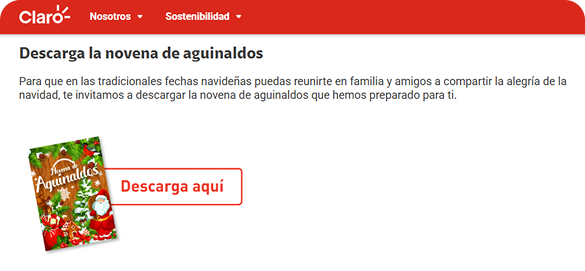
The telecom brand created a digital version of “La Novena de Aguinaldos” for people to download and share, bringing one of December’s most beloved rituals online and making it accessible to everyone.
Claro shows that you can take an existing tradition and turn it into something useful for your audience. This way, the brand stays present right where people already are, in their customs and in their everyday lives.
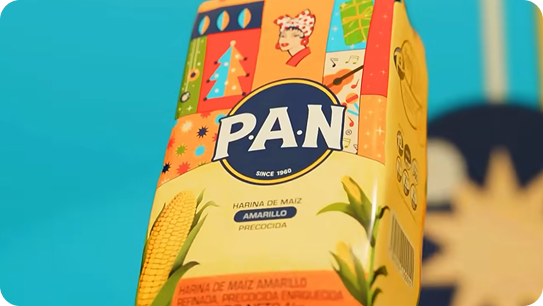
Harina P.A.N. (Venezuela)
The brand celebrates hallacas, a centerpiece of the season, by launching a special holiday packaging that reflects the spirit of Venezuelan festivities. It also joins the celebration by including the product in “combos hallaqueros” and sponsoring the “Festival de la Hallaca”.
Harina P.A.N. shows the power of embracing a cultural ritual that drives purchase behavior, like making hallacas, to earn a place at the table.
Pollo Campero (Guatemala)
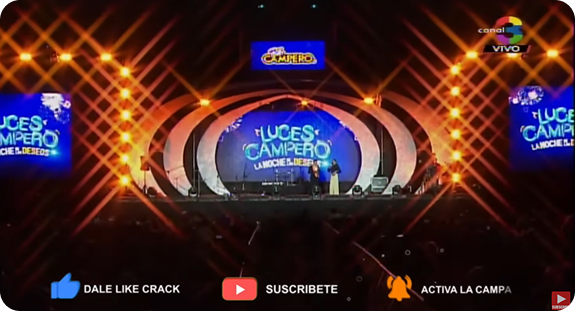
The brand hosts a massive year-end event featuring fireworks and drone shows that bring families together and mark the start of the Christmas season.
Pollo Campero shows that by connecting with a tradition that brings people together, a brand can become the true host of the celebration.
Conclusion: Understanding the region is the best strategy
Winning Christmas in LATAM isn’t about changing the decorations, it’s about reading December’s emotional calendar, choosing the moments that truly represent the region, and offering simple solutions that make what already happens at home even easier.
In a region where 62% of brand choices are local or regional, the campaigns that truly resonate are the ones that understand the tone, timing and symbols of each country.
When a brand adapts to the local context, it earns a place in group chats, at the dinner table and in people’s memories, leaving them with the feeling that the brand speaks their language.
If your brand wants to speak that language with a local accent, Positive Agency is here to help.
We adapt global messages to the LATAM context and turn them into stories that connect and get shared.
Want your campaigns to sound more local and perform better? Get in touch. We’re the partner that speaks LATAM’s cultural language.
.jpeg)
Prime Time is Latin: What Bad Bunny’s Presence at the 2026 Super Bowl Reveals About the Cultural Power of This Side of the World
A perspective from Positive Agency on the new protagonism of Latin culture in global marketing.
The year is coming to an end. Christmas lights are already glowing in shopping malls, and among them, that synthetic 80s music—born from MIDI rhythm boxes—blends with what’s coming through my headphones.
As I warm up my coffee and open my laptop to join the first meeting of the day, I think about how everything changes. At the agency, we understand that movement as something natural. Our work is not just to communicate but to read and decode the digital culture of a region as dynamic as Latin America.
In the virtual waiting room, someone has left their microphone on. A Caribbean track seeps in—a mix of percussion and Spanglish that takes me back to the first days of the year, close to my birthday. I don’t have photos on my desk, but one thought pops into my head: “I should’ve taken more pictures.”
Curious title for an album, I think, right as I’m about to join a meeting where images mean everything—and where we’d never think of “throwing them away.”
Musical tastes aside, that coincidence makes me pause. Between metrics, strategies, and deadlines, we sometimes forget why culture matters so much in what we do. Maybe hearing Bad Bunny in the waiting room, while scrolling through Resident Advisor, helped me connect the dots.
A Cultural Game-Changer for Global Marketing
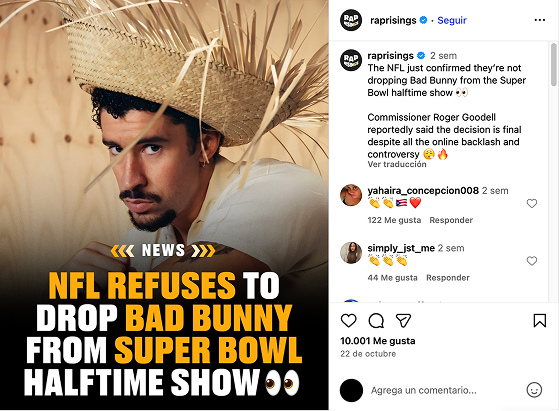
When the NFL confirmed Bad Bunny as the headliner for the 2026 Super Bowl Halftime Show, it didn’t just announce a performance—it sent a message to the marketing world.
The Puerto Rican artist, who sings mostly in Spanish or Spanglish, represents a generation that embraces its roots and celebrates cultural identity.
While millions prepare to watch the biggest game of the year, brands are preparing to understand how Latin culture has become the emotional engine of the U.S. market.
The Latin Shift of the U.S. Market
Over the past decades, the growth of the Latin audience in the United States has reshaped the country’s consumption map.
Latinos now represent over 20% of the total population (U.S. Census Bureau, 2024) and show one of the fastest-growing rates in purchasing power
Yet, according to a 2025 study by XR Global source , only 4% of Super Bowl commercials featured Latin talent or cultural references—a figure far below America’s demographic reality. That gap signals a clear opportunity for Latin marketers.
The distance between cultural influence and commercial visibility remains wide—but it’s closing fast.
Bad Bunny embodies that transformation. He’s no longer a “Latin artist succeeding in the U.S. but a global artist redefining
the mainstream, reflecting decades of Latin American culture exported to the world.
For brands, this means an open door to step into the landscape of Latin cultural storytelling—a space that deeply interests us.
In 2025, the advertisers who dominated the Super Bowl conversation—Anheuser Busch, Michelob ULTRA, Lay’s, and Pfizer— did so not only through visual creativity but through narrative authenticity.
Audiences no longer respond to spectacle without purpose; they seek coherence, tone, and cultural rhythm.
In 2026, Spanglish will be the event’s native language.
“Spanglish, Latin aesthetics, and cultural references will no longer be creative winks—they’ll be the first lights of a new era in global communication.”
The challenge isn’t to speak like Latinos, but to speak from a culture that has become collective—and no longer foreign—to the American market.
The Power of Creating from Culture
Advertising has learned that translation isn’t enough.
The next step is to co-create from within culture, not just represent it superficially.
This means integrating Latin talent across every level of the creative chain—from copywriters and art directors to strategists and data analysts—to generate genuine and original campaigns.
That’s the approach we take at Positive Agency.
As a team, we believe cultural identity not only inspires creativity—it defines strategy.
We combine local insight, regional sensitivity, and global execution to help brands connect with audiences through emotion and cultural truth.
Bad Bunny is proof that we’re on the right path. Latin culture is no longer overlooked—it’s the starting point of a new, hyperconnected, transcultural form of communication.
Brands that understand this will stop “including” and start belonging to cultural movements.
According to Think with Google, bilingual consumers process emotions more intensely in their native language.
For the 2026 Super Bowl, using Spanish or Spanglish won’t be a differentiation tactic—it will be a manifestation of cultural authenticity.
In this context, language stops being a code and becomes a form of connection.
Latin Culture Is Inevitable
The challenge for brands isn’t to “ride” the Latin wave, but to understand that this wave already sets the rhythm of global culture. Brands that grasp this will be closer to what’s now known as cultural leadership.
“In 2026, it won’t be enough to be at the Super Bowl. Brands will need to be in the conversation across their digital ecosystems.”
Brands That Already Understand the Latin Power
Before Bad Bunny takes the world’s biggest stage, some brands have already opened the path for Latin culture in U.S. advertising.
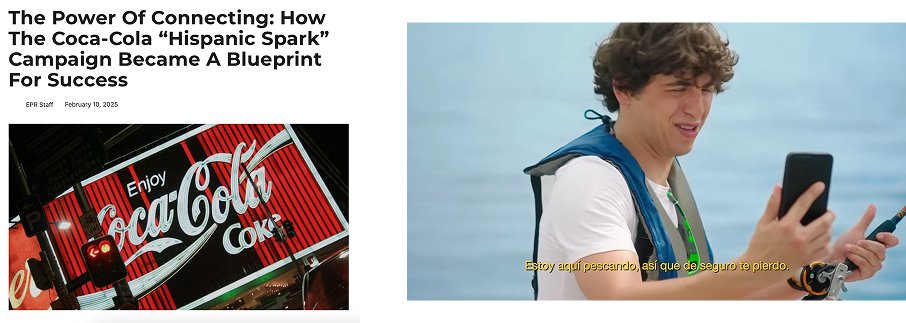
Coca-Cola, with its Hispanic Spark campaign, proved that a Latin narrative can coexist with a global brand—authentically and at scale.
T-Mobile has launched bilingual campaigns like #SomosMás spot, designed for Hispanic U.S. markets, celebrating the diversity and resilience of the Latin community. It also maintains T-Mobile en Español and promotions for families living between two cultures.
That narrative consistency has allowed it to build a genuine bond with Latin audiences.
According to Kantar (2024), 64% of Hispanic consumers prefer brands that recognize their cultural identity—an insight T-Mobile has successfully turned into growth. (Source: Kantar North America, Creating Marketing Impact with the Hispanic Community)
These examples confirm the trend: Latin brands are no longer asking for space in the U.S. market—they’re building it themselves.
That sets the stage for Bad Bunny’s performance to be the rule, not the exception.
The Power of Creating from Culture
That same cup of coffee from the morning still sits on my desk, now a little cold—the moment I enjoy it most, because it means the day is almost over.
With the last sip, I think about how the 2025 Super Bowl proved that the world’s most expensive advertising slot isn’t won by budget, but by cultural purpose.
In 2026, that purpose will speak two languages and resonate across millions of homes that see Latin culture as a shared identity.
At Positive Agency, we believe that taking a strategic and creative stance toward this phenomenon brings us closer to the right path.
That’s our competitive advantage.
Fandom in Peru and its connection potential
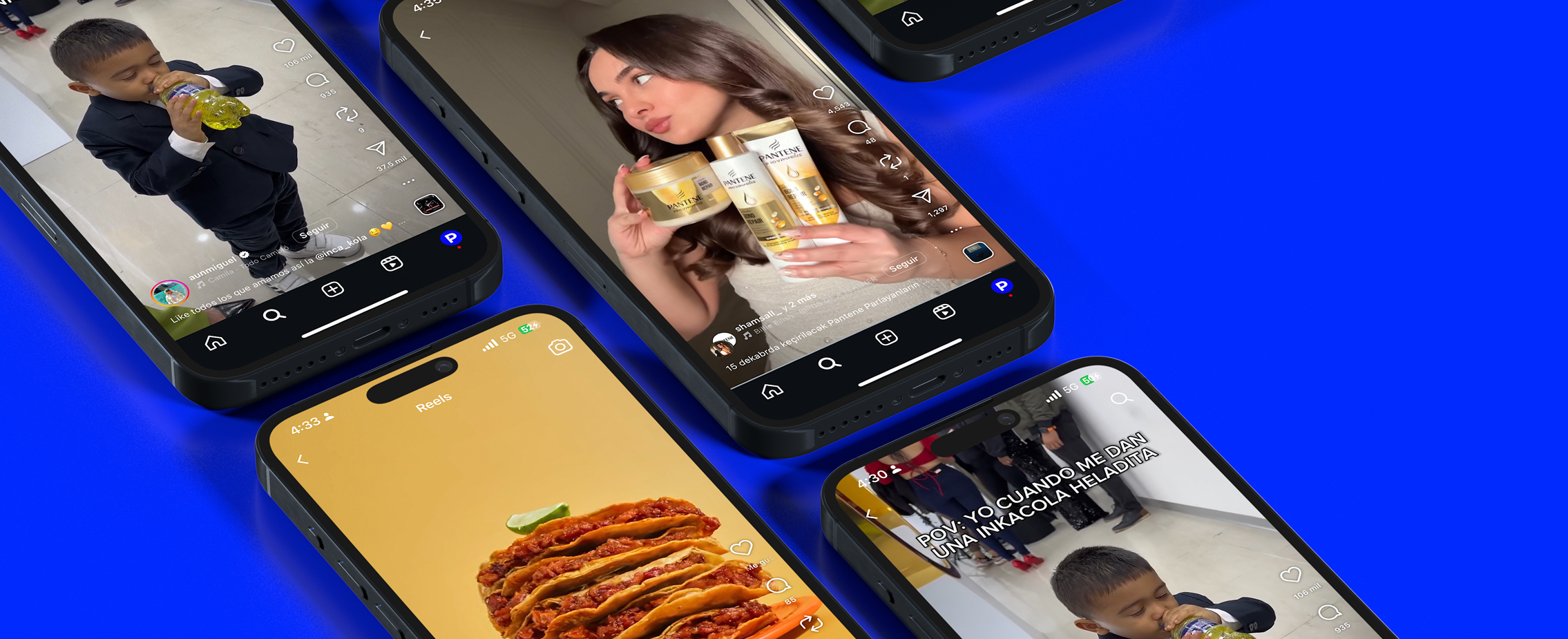
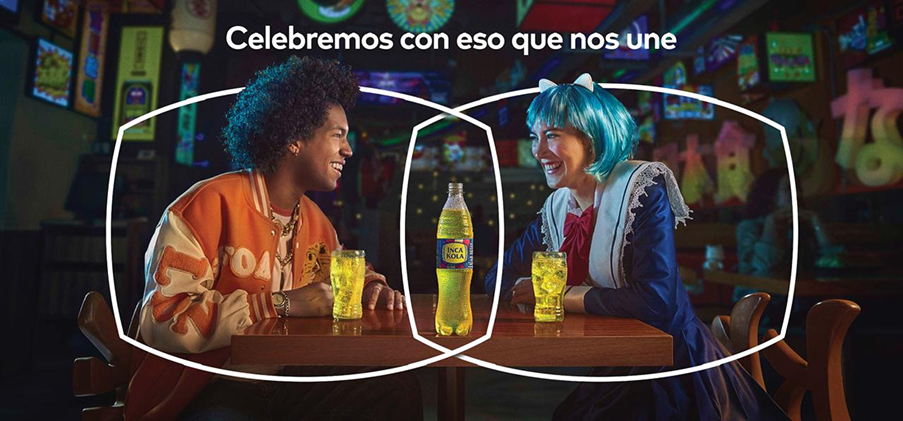
We were walking around Lima recently and paused in front of an ad at Arenales Shopping Center. For those who don’t know it, it’s the largest epicenter of otaku, gamer, and geek culture in Peru, popular among lovers of anime, manga, video games, Kpop, and Asian culture in general. There, we saw an Inca Kola ad—not about food this time, but about cosplay, manga, video games, pop culture—featuring fans like us not as consumers, but as protagonists. And that’s when we realized: brands that understand the power of fandom in Latin America don’t just sell… they become part of something much bigger.
We were walking around Lima recently and paused in front of an ad at Arenales Shopping Center. For those who don’t know it, it’s the largest epicenter of otaku, gamer, and geek culture in Peru, popular among lovers of anime, manga, video games, Kpop, and Asian culture in general. There, we saw an Inca Kola ad—not about food this time, but about cosplay, manga, video games, pop culture—featuring fans like us not as consumers, but as protagonists. And that’s when we realized: brands that understand the power of fandom in Latin America don’t just sell… they become part of something much bigger.
What do brands have to do with all of this?
More and more, brands understand that it’s not enough to talk to people; you have to connect with what they love. That’s where fandom comes in. Today, brands like Inca Kola, Pilsen Callao, Coca‑Cola, and many others are finding authentic ways to dive into these worlds
- Inca Kola left an indelible mark at Arenales by connecting directly with otaku and gamer communities. Through visual campaigns featuring anime, video games, and local culture, the brand renewed its big idea—“da gusto con todo”—to connect with new generations without losing its essence. It began with strategic activations alongside a Z‑audience influencer, adapting their core message for a new crowd. Inca Kola went beyond ads: it became a cultural integration symbol—appearing on collectible cards, manga‑style illustrations, and in‑mall activations—naturally joining the fandom world. The brand learned that “gusto” isn’t just a flavor; it’s a shared emotion experienced in skate, cosplay, urban dance—everything that drives this community
- Pilsen Callao, one of Peru’s most popular beers, found its place in the gaming world by aligning with its core value: friendship. Rather than just sponsoring events, it created experiences celebrating gaming among friends. It appeared at Gamer Day events, supporting Dota communities—one of the most popular games in the region. Its commitment went further—partnering with developers and AI tech to create inclusive solutions so everyone, regardless of ability, can enjoy gaming. For them, the real victory is ensuring no one is left out, and that every friendship, without exception, has a place in this universe.
.png)
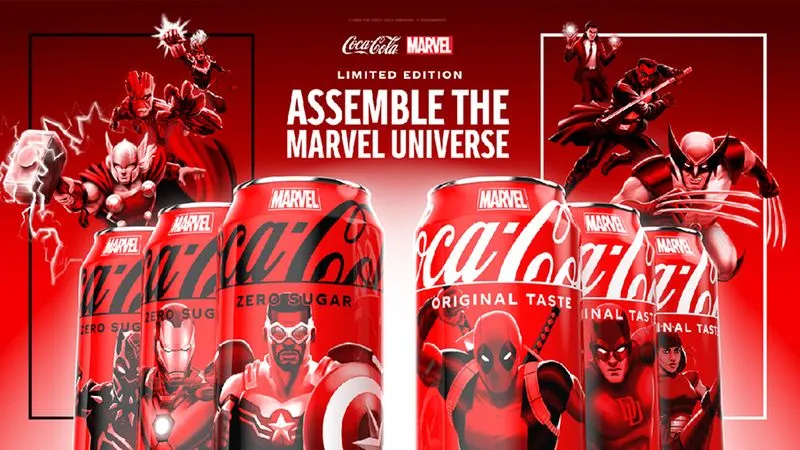
Coca‑Cola knows how to connect fandom power with its timeless taste. In Peru, the Marvel universe beats in the hearts of over 1.3 million fans. From comics to collectibles to movie marathons, the Peruvian Marvel community is huge and passionate. Coca‑Cola recognized this and, ahead of the biggest 2024 premiere—Deadpool & Wolverine—launched a special edition in partnership with Marvel. Superhero-themed cans and bottles hit stores, supermarkets, and cinemas nationwide, awakening the collector spirit in thousands of Peruvians. When a brand understands what excites its audience, it stops being part of their daily life and becomes part of their world. Coca‑Cola didn’t just refresh fans—it made them feel seen. And in a country where Marvel is almost like a religion, that’s worth more than a thousand epic battles.
What do brands have to do with all of this?
Today, the difference between a brand that simply shows up and one that truly connects lies in understanding the terrain it steps onto. Being present isn’t enough—you have to know how to be present. It’s not about intruding; it’s about integrating
The spaces where people express themselves, share, and build identity are not showcases— they’re cultural ecosystems, where language, codes, and dynamics matter.
Where being an outsider is noticeable, and being genuine is valued. That’s why the challenge isn’t about making an impact— it’s about belonging. Being part of the context, not forcing in. Making the brand sound like a familiar voice, not just another message.The key isn’t disguise; it’s finding real points of connection—places where what the brand represents aligns organically with how people think, feel, and what they need. Because when a brand feels like its own, it’s not only welcomed—it’s defended, shared, and celebrated
Why Fandom Matters So Much in LATAM?
In Latin America, passion isn’t half‑hearted. What we love is celebrated out loud, shared in community, and defended with heart. Being a fan isn’t just a personal choice—it’s collective identity. It’s painting your face, memorizing lines, crying at a finale, f ighting for a character, forming WhatsApp groups, spending hours creating theories or memes
Here, fans don’t just observe—they participate. They build. They become active parts of the universes they love. That’s why when a brand truly touches that emotional chord—with respect and authenticity—it doesn’t just gain visibility; it wins loyalty. And when something really connects here, it becomes conversation. Trend. Ritual
The power of fandom in LATAM isn’t just in its size—it’s in its intensity. And that intensity—well understood—can turn fans of a show, a team, or an artist into fans of the brand brave enough to stand beside them. Because in Peru, when a brand enters a fan’s heart, it doesn’t just gain a consumer—it gains an ally. An ambassador. An amplifierWhere being an outsider is noticeable, and being genuine is valued. That’s why the challenge isn’t about making an impact— it’s about belonging. Being part of the context, not forcing in. Making the brand sound like a familiar voice, not just another message.

First, understand that fandom isn’t bought or forced—it’s earned, with humility, active listening, and authentic participation. If a brand wants to reach that level, it must stop seeing audiences as mere receivers and start seeing them as living, passionate, demanding communities
Entry isn’t with a giant logo but with gestures that speak their language, respect their codes, and add real value to their rituals. It’s about collaborating, not colonizing. Finding a way for the brand to contribute without stealing the spotlight, to connect without faking belonging. It’s about enhancing a fandom that’s already built, not trying to lead it
Above all, it takes patience—because in the fandom world, trust is built on small yet meaningful actions and lost in a single opportunistic move. If the brand passes that test, what follows isn’t just engagement—it’s love. And fandom love—especially in LATAM—is the kind that becomes culture
Why the Latin Market Is So Powerful and How We Can Help Brands Enter It?
At Positive Agency, we believe that the only truly powerful thing is what stands the test of time—and the Latin market is the ideal stage to create those kinds of stories: deep, emotional, shared, and experienced with an intensity that few regions can match. It’s not about chasing the latest trend; it’s about understanding what truly moves people, about telling stories that touch the soul today, tomorrow, and in ten years.That’s Timeless Content, and that’s our north. We help brands find that emotional truth that doesn’t age, that unforgettable message, that story that becomes part of a community, a generation, a culture. If your brand wants to enter this market with real impact, it’s not enough to be relevant—it has to be memorable. And we know how to make that happen.Because in LATAM, when something truly connects, it doesn’t stay in a folder—it lives in the heart. And that’s the best place a brand can be.If you want to learn how to truly make an impact in the Latin American market and build the kind of connection we've shown in these examples, follow us on social media and keep reading our blog. And if you're ready for your brand or company to take that leap, we're here to help you make it happen. Reach out to us—let’s start this journey together.
.jpeg)
How to explain to your CFO that branding is not an expense: 3 key metrics
Let’s face it. CFOs aren’t exactly known for their unwavering enthusiasm towards branding campaigns—especially on social media. They see these initiatives as flashy marketing endeavors that drain budgets without a measurable return. You've probably heard it before: "How do we know we're not just throwing money away on likes and followers?" Trust me, you're not alone in this conversation.
But what if you could show your CFO that a social media branding campaign isn't an expense at all, but rather an investment yielding measurable financial returns? Sounds ambitious, but totally doable. Here are three key metrics that will shift your CFO’s perspective and finally get them on your side.
1. Customer Lifetime Value (CLV)
Here's the thing: your CFO cares deeply about long-term profitability. That’s their job. But what they might overlook is that a strong social media presence directly increases Customer Lifetime Value (CLV). When your brand consistently engages customers through high-quality social content, it doesn't just attract new customers—it builds lasting relationships with existing ones.
This relationship translates into repeat business, higher average orders, and increased customer retention. Simply put, loyal customers who engage with your brand on social media are worth significantly more to your business in the long run. So next time, don't just show your CFO your follower count; demonstrate growth in CLV driven by your social media branding efforts.
2. Brand Sentiment and Reputation
We marketers sometimes roll our eyes at "soft metrics," but your CFO might be completely allergic to them—unless, of course, you connect sentiment to profitability.
Think about brand sentiment this way: Positive brand reputation lowers your cost of customer acquisition. Why? Because when your audience trusts your brand, they're far more likely to choose you over competitors, even with minimal promotion. Social media branding campaigns actively shape consumer perceptions and boost your brand’s credibility, directly impacting acquisition costs and sales conversions.
Use tools like Brandwatch, Sprout Social, or Mention to measure shifts in brand sentiment pre- and post-campaign. Show these numbers in correlation with decreasing acquisition costs or higher conversion rates, and watch your CFO’s skepticism fade into intrigued approval.
3. Conversion Attribution from Social Channels
Here's the metric every CFO dreams about at night: ROI. Social media branding campaigns can be tracked, attributed, and measured just as rigorously as paid ads. Tools like Google Analytics, HubSpot, or Adobe Analytics allow you to track the direct pathway from social engagement to website visits, conversions, and even offline sales.
The magic lies in attribution models that clearly demonstrate how social interactions contribute to conversions over time. Present your CFO with a clear picture: Social media isn’t burning cash; it’s fueling your sales funnel. Highlight direct social-driven conversions, and your CFO will quickly recognize that this isn't an expense—it's strategic growth.
Wrapping Up
Convincing a CFO requires more than enthusiasm; it requires data-backed proof. So arm yourself with metrics your CFO values: increased Customer Lifetime Value, measurable positive brand sentiment reducing acquisition costs, and concrete attribution of conversions from social channels.
Finally, remind them gently but firmly: In today’s hyper-connected marketplace, branding isn’t optional, and social media isn’t a cost—it’s your best ally for sustainable growth. Once your CFO sees the numbers, they'll realize that ignoring social media is the real expense.
.jpeg)
Dictionary of Latin gestures your brand needs to understand
You don’t need a PhD in anthropology to screw up in Latin America—just post the wrong emoji. Or launch a video ad where a character waves their hand a bit too freely. Boom: brand cancelled, comments on fire, and a crisis call with your agency on a Sunday.
Welcome to the world of gestures. A subtle, powerful, and often-overlooked layer of communication that can either boost your cultural relevance or make your brand go viral for all the wrong reasons. And no, not the good kind of viral.
Let’s be clear: Latin America is not one country. It’s twenty. And each has its own codes.
But there are patterns—gesture behaviors, meanings, and taboos that your marketing team should master. If your brand wants to survive in the Latin market (and maybe even be loved), here’s the unsugarcoated guide to the semiotics of the hands, eyes, and facial micro-movements that can kill—or convert—your campaigns.
The Raised Eyebrow: Yes, we’re judging you 🤨
In countries like Peru, Chile, or Venezuela, a raised eyebrow can mean “I’m listening”, “You serious?”, or “Try again”. Use this in a character's animation or in a gif and you might land your brand in a sarcastic tone you didn’t mean. Especially in customer service interactions, emojis that emulate this (think 🤨) can read as passive-aggressive.
“Not all expressions translate—some accuse.”
The “Finger Purse”: Italian? Yes. But also Caribbean. 🤌
The pinched-fingers-together gesture 🤌 (tips all touching and facing upward), often associated with Italians saying “What do you want from me?”, is common in Dominican Republic and Puerto Rico—but it doesn’t mean the same thing. In DR, it can mean “Let me explain” or “Hold up.” It’s assertive. Use it wrong, and it becomes condescending. Use it right, and it can express passion or urgency.
The Chin Flick: Silence, or worse 🤷♂️
In Brazil or Argentina, flicking the back of your fingers from under the chin (sometimes confused with a shrug 🤷♂️) is not a charming “meh.” It means “I don’t care”, and sometimes “F** you.”* Including a character doing this—even subtly—in a meme or video can completely change your message.
“Gestures are louder than captions.”
The Hand Clap: Applause? Maybe. A Threat? Definitely. 👏
If you’re in Colombia or El Salvador and someone claps their hands at you once, hard and loud 👏, it’s not praise. It’s a challenge. A way to say “You better listen” or “You’re testing me.” Brands that show people clapping in scenes of celebration should keep it warm, soft, and multiple claps—not a single, sudden hit. Otherwise, the street tone leaks in.
The Thumb Between Fingers: That’s not cute. That’s old-school vulgar. 🤏
In places like Mexico or Peru, putting your thumb between your index and middle fingers (not a standard emoji yet, but imagine 🤏 with the thumb inside) has historically meant “I’m insulting you” or “Here’s your disrespect.” Some brands use this as a quirky logo element or sticker. Don’t. It's not ironic. It's just dated and offensive.
The “Come Here” Finger Wiggle: In the U.S.? Innocent. In Latin America? Borderline creepy. ☝️👉
Using the upward, single finger curl ☝️ or beckoning motion 👉 to signal someone over is extremely common in the U.S. But in many Latin countries—especially conservative areas like Guatemala or Paraguay—it feels intimate, even inappropriate. Think twice before your mascot does it. You’re not summoning a toddler—you’re triggering discomfort.
The “Peace” Sign: Not always so peaceful ✌️
In Chile, Colombia or Uruguay, turning the palm inward while flashing the “peace” sign ✌️ can be read as mocking or offensive. It’s about angle, intention and local context. If your brand relies on visual metaphors like this in reels or story ads, angle it right or don’t use it at all. “A rotated hand can rotate your brand perception.”
Hands Together Like Praying: Not always gratitude 🙏
Many brands (especially beauty or wellness) use the praying hands gesture 🙏 to express thankfulness. But in some regions of Mexico and Bolivia, this is tied to death rituals or mourning. It’s not offensive per se, but it may communicate something you didn’t mean. That “thank you for your support” post might accidentally read like a memorial.
So, why should your brand care?
Because Latin audiences don’t just see your content—they feel it. They grew up with mothers reading body language better than FBI profilers. They know what every eyebrow, hand twist, and head tilt means. So when a brand gets it wrong, it’s not forgiven as an innocent cultural slip. It’s judged as lazy.
And the worst part? You won’t always hear the backlash. It won’t be an email. It’ll be disengagement, mistrust, or mockery in private WhatsApp groups.
What can you do?
Work with local experts who get the nuances.
At Positive Agency, we’ve seen it all—brands trying to “connect” using globally approved emoji packs, generic memes, or hand signs that go viral only because they were awkward. Our creative campaigns go through culture filters, local translators, and emotional sniff tests before hitting “publish.”
We don’t guess. We know—because we grew up in it.
If you want content that doesn’t just survive in LATAM but thrives, talk to an agency that speaks the language—body and all.