.png)

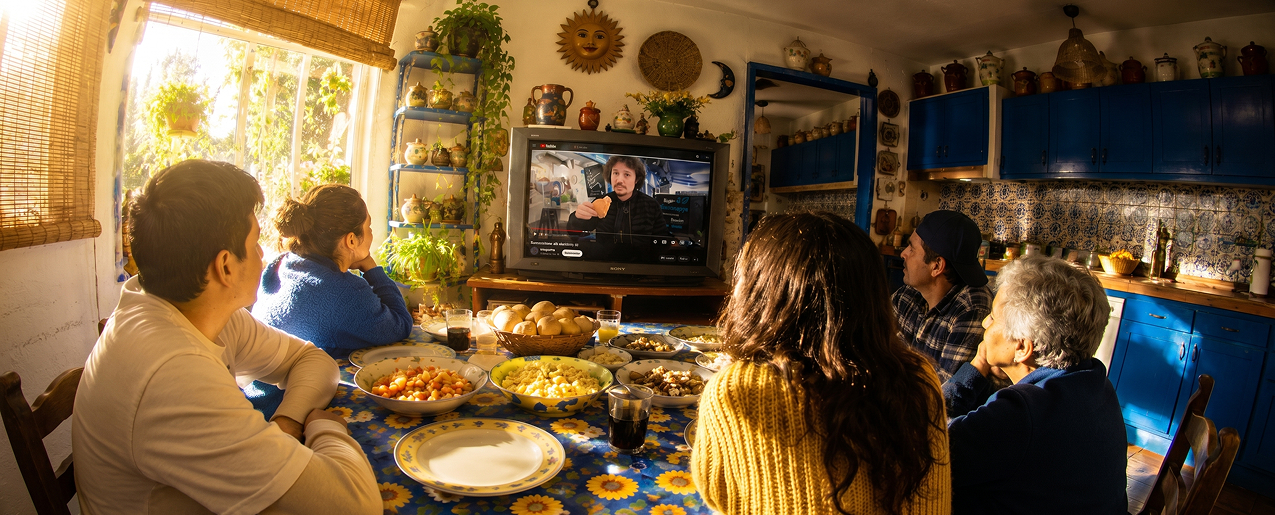
YouTube is the new TV

A few years ag, if someone had told us we’d spend more time on YouTube than watching traditional TV, we probably wouldn’t have believed it. Yet the numbers from Nielsen prove otherwise:
For more than a year, the platform has remained the number one streaming service on television screens, capturing nearly 10% of total TV audience share in the U.S.
What’s most striking is that, in the middle of the doomscrolling era and 15-second clips, audiences are reconnecting with long-form, deeply human stories.
YouTube is no longer just a video platform—it has become the world’s new cultural archive. The average user now spends 48 minutes a day on the platform, likely influenced by an interface that organizes content into seasons, much like our favorite TV shows.
And it’s not only beneficial for audiences. For creators, every upload becomes a long-term asset. Thanks to dynamic ad insertion, videos published years ago can continue generating revenue, turning a channel into a personal TV network that never stops working.
Top Creators and content leading the region
In LATAM, YouTube creators are no longer amateurs filming in their bedrooms. Today, the industry is driven by Latin American creatives producing high-quality audiovisual content that attracts millions of views across every kind of niche and genre.
Entertainment
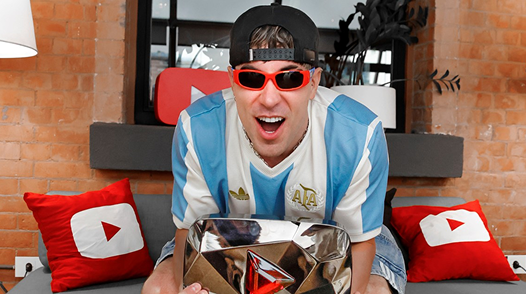
Alejo Igoa (Argentina): The undisputed king of 24-hour challenges and extreme stunts. He made history as the first solo Spanish-speaking creator to receive YouTube’s Red Diamond Creator Award—a prestigious milestone shared by only a handful of creators worldwide.
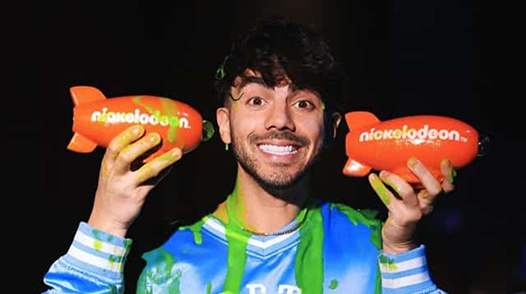
Fede Vigevani (Uruguay): He has successfully transformed his channel into a compelling blend of comedy and mystery that keeps fans hooked episode after episode. His influence extends well beyond the digital screen, selling out iconic live venues like the Movistar Arena and the legendary Gran Rex.
Travel and Documentary Chronicles
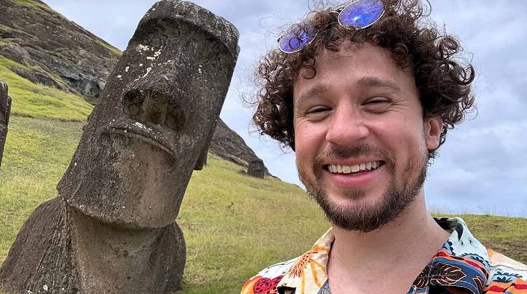
Luisito Comunica (Mexico): The gold standard for transforming travel vlogs into profound social commentary. His channel has evolved into a cultural archive, offering a unique perspective of the world through a Latin American lens.
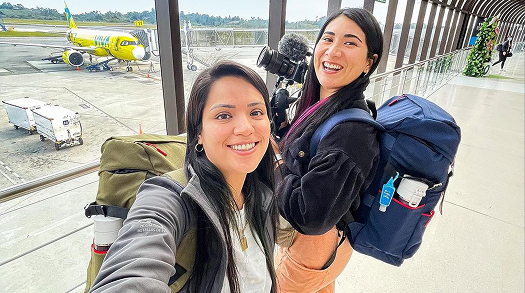
Misias pero viajeras (Peru): Fátima and Daniela shattered the myth that travel is a luxury reserved for the wealthy. Although they no longer create content together, their channel remains a definitive legacy of detailed itineraries and budget guides that travelers still rely on today.
Lifestyle, Wellness, and Education
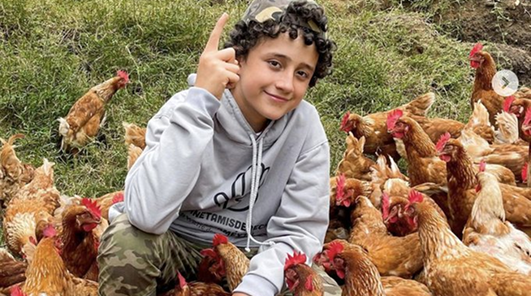
La Granja del Borrego (Colombia): What started as a guide to agricultural life has evolved into a captivating journey featuring exotic animal encounters and new adventures. Throughout this growth, his channel has stayed true to its educational roots, using humor to champion wildlife conservation.
Chingu Amiga (Mexico/Korea): The Korean creator who took LATAM by storm by documenting the "culture shock" of living in the region. Through humor and candid storytelling, she highlights the contrast between the rigid traditions of her home country and the warmth of Latino culture.

Mystery and True Crime
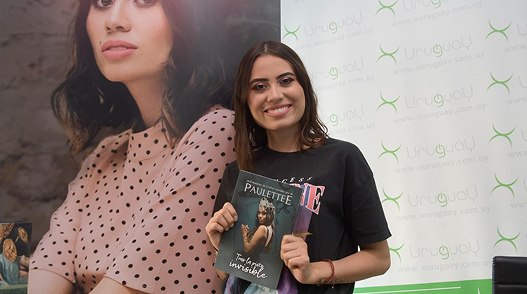
Paulettee (Colombia): Widely regarded as the "Queen of Mystery" in the Spanish-speaking world. Her channel stands out for its meticulous research and a gripping narrative style that masterfully balances the paranormal with true crime cases.
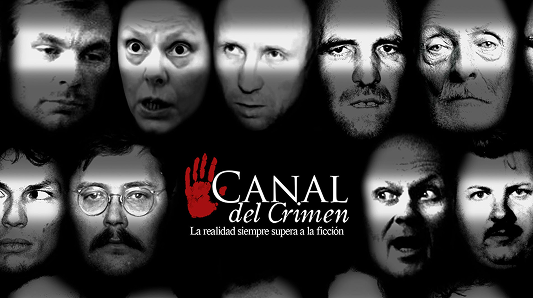
Canal del Crimen (Chile): Narrated by Álvaro Matus—author of Psicópatas chilenos—this channel is dedicated to documenting the chilling biographies of the most notorious serial killers and mass murderers in history.
The podcast boom
The resurgence of long-form content owes almost everything to podcasting.
According to Statista, the number of podcast listeners worldwide is expected to surpass 600 million by the end of this year.
Why? Because of the sense of companionship and the chemistry between hosts—that feeling that they’re friends sitting around the table with us, sharing a conversation.
Shows like El Cuartico (Venezuela) and Ouke (Peru) dominate the daily debate space with an informal, humorous style that blends current events with personal anecdotes and constant interaction with their audiences, who engage in real time through live chat.
At Positive Agency, we realized that analyzing the market from inside an office simply wasn’t enough. That’s how Made in LATAM a marketing and advertising podcast traveling across the region to interview some of the industry’s leading voices (you can check out these conversations on YouTube and Spotify).
The new main screen
Ultimately, YouTube content has evolved from fleeting moments into a living cultural archive that endures and is rediscovered over time.
The "big screen" in our homes no longer belongs to major corporations; it belongs to the stories we choose to let in—the ones that keep us company and connect us to the real world through a language that is both authentic and direct.
.jpeg)
.jpeg)